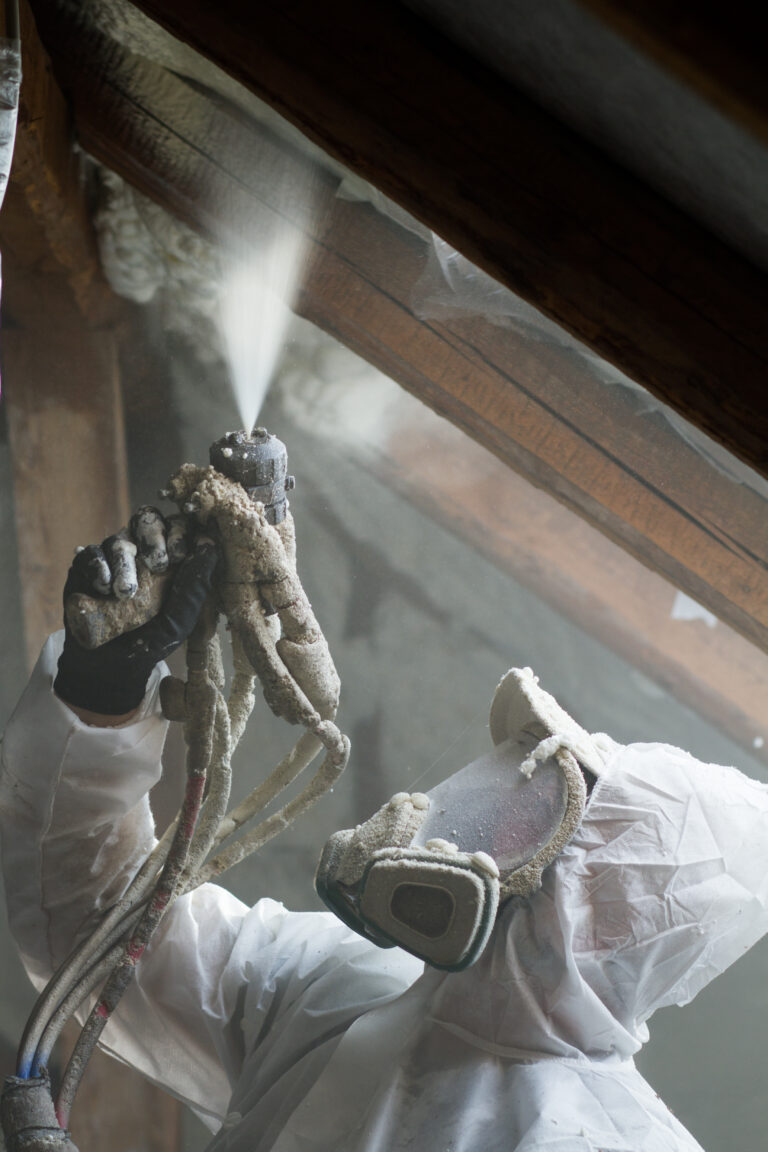
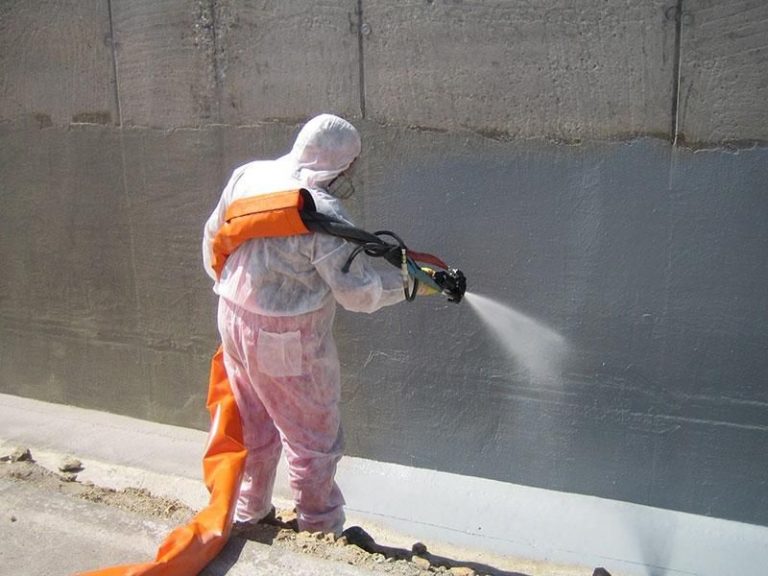
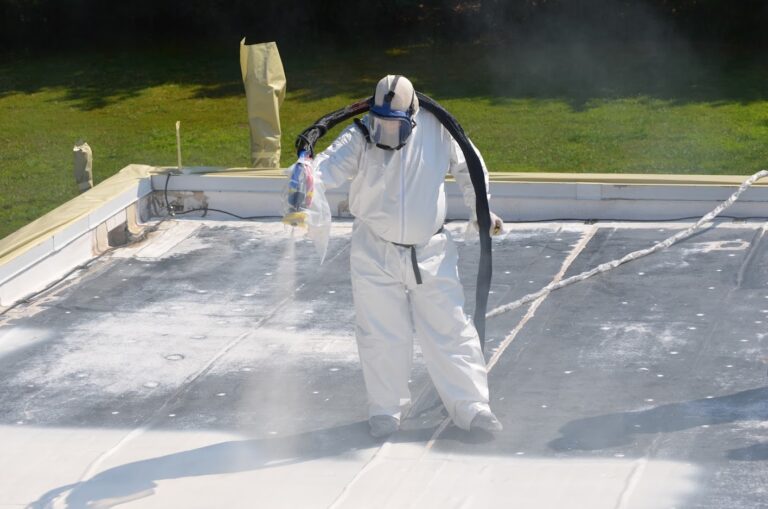
The Role of Advanced Polymer Coatings in Modern Construction
Construction today demands more than structural integrity. With changing climates, evolving materials, and tighter building standards, surfaces must do more than carry load—they…
Field guide / construction chemistry
Coatings, membranes, sealants and admixtures decide how long a structure lasts. This guide explains what each family does, where it fits and what to ask before anyone opens a bucket.

Each tile opens a short guide. The smaller tiles jump to the chemistry comparison.
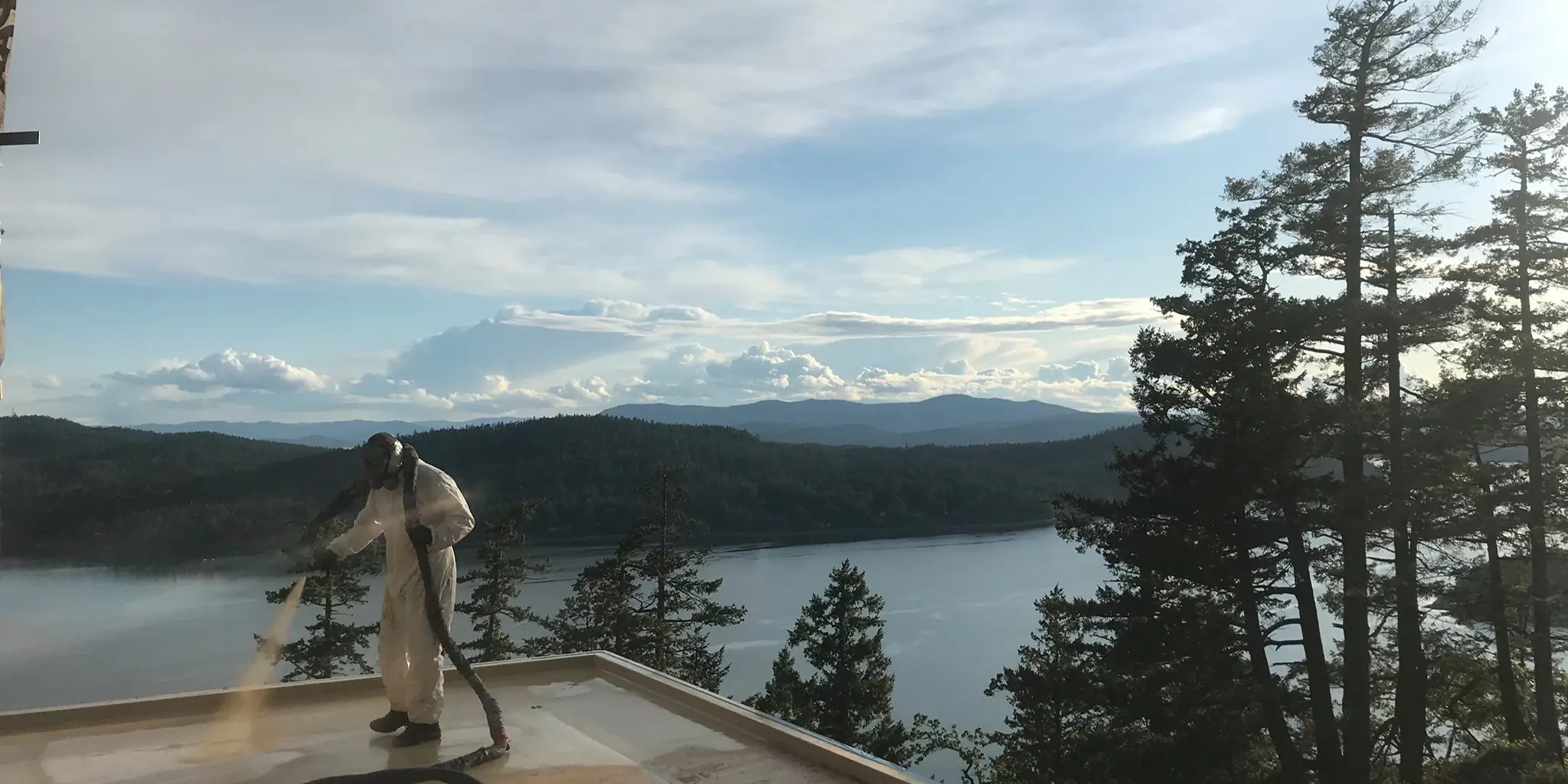
Good results start before the first coat.
Prep, weather and timing shape a project as much as the product on the label.
Method
Write down what the surface will face: foot or wheel traffic, standing water, chemicals, sunlight, heat, cleaning methods. This list narrows the field faster than anything else.
Note what you are coating and its condition. Concrete age, moisture, cracks, old coatings and contamination all change the prep and the primer.
Use the exposure list to pick one or two chemistry families, then look at products within them. The comparison page is a quick way in.
Line up the technical and safety data sheets. Check application temperature, cure times, recoat windows, thickness and any test standards the supplier lists.
Agree on prep method, weather limits, inspection points and who signs off each stage. A short written plan prevents most disputes later.
A qualitative view. Products vary, so the data sheet always has the final word.
| Chemistry | Cure speed | Flexibility | Sunlight | Where it often shows up |
|---|---|---|---|---|
| Epoxy | Moderate | Low, hard and rigid | Can chalk or yellow outdoors | Primers, indoor floors, tank linings |
| Polyurethane | Moderate | Medium to high | Aliphatic grades hold color | Floor topcoats, roof coatings, sealants |
| Polyurea | Very fast | High | Aromatic grades change color | Roofs, containment, linings, truck beds |
| Polyaspartic | Fast | Medium | Generally holds color | Garage and showroom floors, topcoats |
Construction today demands more than structural integrity. With changing climates, evolving materials, and tighter building standards, surfaces must do more than carry load—they…
Glossary